

Quick answer
Nashville experiences high helicopter traffic primarily because it hosts one of the country's busiest scenic tour operations, with multiple companies flying tourists over downtown landmarks from morning through evening. The city's compact downtown district, bordered by the Cumberland River and framed by rolling hills, creates ideal conditions for short, visually dramatic flights that appeal to the millions of annual visitors. Tours run seven days a week, with peak activity between 9 AM and sunset when weather and visibility are optimal.
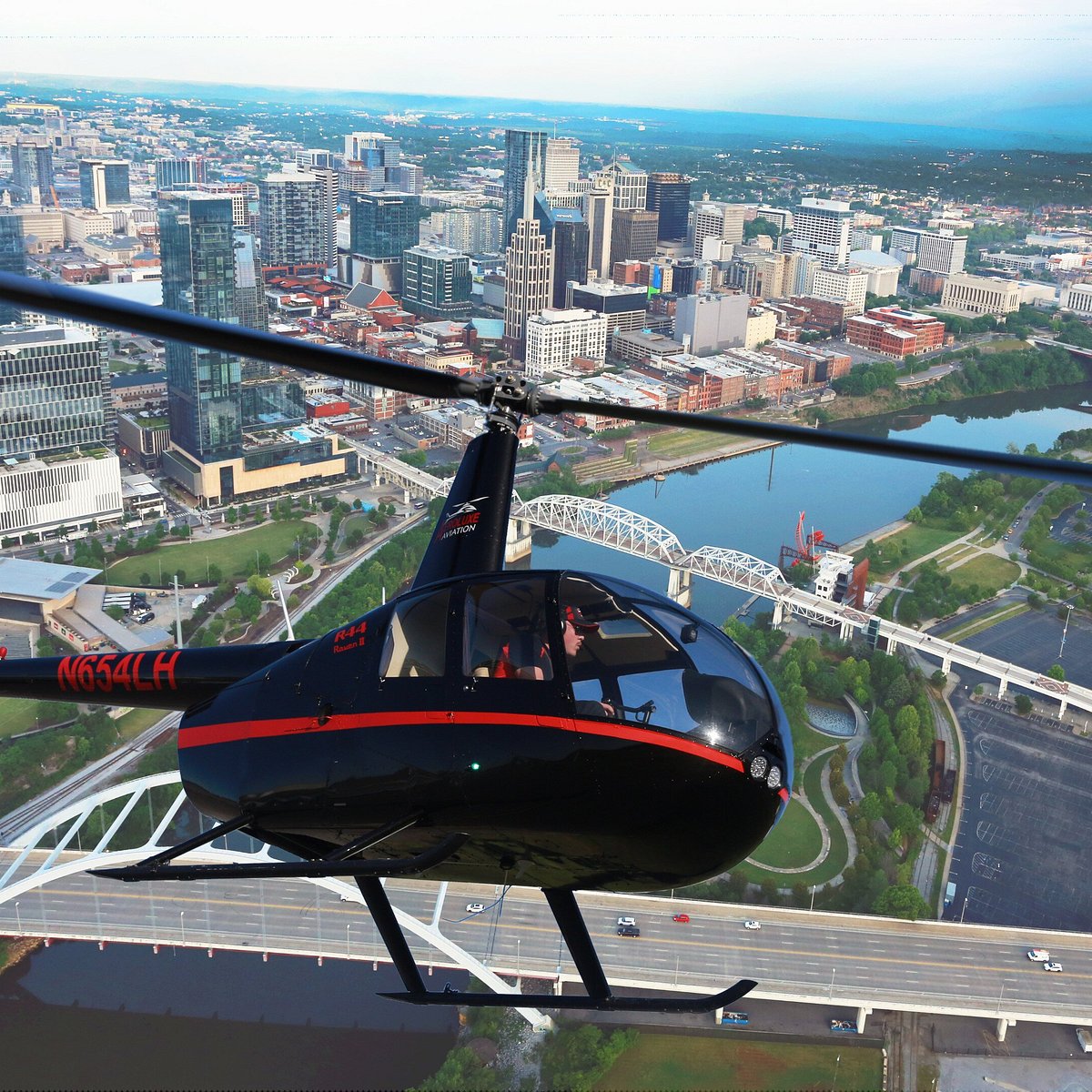
Nashville logs more helicopter movements per capita than most mid-sized American cities, a pattern driven almost entirely by commercial tourism rather than emergency services or corporate transport. The metropolitan area supports at least four tour operators flying from three different departure points, collectively completing hundreds of flights weekly during peak travel months. Unlike coastal cities where helicopter traffic disperses across sprawling geography, Nashville's aerial sightseeing concentrates along predictable corridors—downtown to the Parthenon, the honky-tonk district to Nissan Stadium, and river loops that showcase the city's skyline against green hillsides. The phenomenon traces back to the early 2010s when Nashville's tourism economy shifted from niche music pilgrimage to mass-market destination. Hotel capacity doubled, Broadway's lower blocks transformed into a continuous entertainment strip, and visitor spending climbed past four billion dollars annually. Helicopter tours emerged as a premium experience that could be marketed alongside pedal taverns and recording studio visits, offering a 12-to-30-minute escape from street-level crowds. Tour pricing starts at $89.99 per seat for short flights, positioning the experience as accessible rather than exclusively luxury. Flight patterns follow Federal Aviation Administration guidelines that route tours away from residential zones and the airport's primary approach corridors. Most operators fly between 500 and 1,500 feet altitude, low enough for passengers to identify individual buildings but high enough to minimize noise complaints. The Cumberland River serves as a natural flight highway—pilots can follow its curve through downtown while maintaining safe distances from construction cranes and tall structures. Weather plays the deciding role in daily volume; thunderstorms, low cloud ceilings, and high winds ground flights entirely, while clear afternoons in spring and fall see back-to-back departures. The city's aviation infrastructure supports this activity through dedicated heliports and a cooperative relationship between tour operators and air traffic control. Why are there so many helicopters in Nashville compared to similarly sized metros? The answer is geographic luck combined with deliberate tourism strategy. Nashville's downtown sits in a natural bowl that makes every flight visually compelling without requiring long transit times to reach scenic areas. A 15-minute tour covers the same landmarks that ground-based sightseeing buses take 90 minutes to reach, and passengers photograph rolling Tennessee countryside just three minutes after liftoff. The efficiency of the route network means operators can schedule tight turnarounds, cycling through more customers per day than markets where scenic areas lie 20 miles from departure points. For those planning to experience Nashville from above, understanding flight volume helps set expectations. Tours operate from 9 AM to 9 PM seven days a week, with the highest concentration of departures between late morning and early evening when natural light flatters the cityscape. Summer weekends see the heaviest traffic, while winter weekdays offer quieter skies and occasional discounted rates. The constant overhead activity that puzzles newcomers is simply Nashville's aerial tour economy in full motion—a fleet of helicopters turning the city's compact beauty into a repeatable, profitable experience that now defines Music City's skyline as much as the Batman Building itself.
“Nashville's downtown sits in a natural bowl that makes every flight visually compelling without requiring long transit times to reach scenic areas.”
Why Are There So Many Helicopters In Nashville And How Do They Operate?
The density of helicopter traffic in Nashville stems from the city's rapidly expanding tourism sector and the strategic proximity of specialized aviation facilities to central landmarks. Pilots coordinate these flight paths to provide efficient access to high-demand aerial viewpoints.
John C. Tune Airport location
This facility serves as the primary hub for general aviation and helicopter operations, located just west of downtown Nashville to minimize transit times. Its central position allows for rapid deployment toward the city skyline and landmarks.
Tourism industry growth
Nashville has experienced a significant increase in annual visitor numbers, leading to higher demand for aerial tours as a way to view the geography of the city. This surge correlates directly with the increased frequency of flights observed over the metropolitan area.
Concentration of landmarks
The downtown corridor contains a high density of music venues, historic sites, and stadiums within a compact radius. Helicopters follow specific transit corridors to ensure passengers can view these sites while adhering to local airspace regulations.
Airspace coordination
Pilots operate under established flight patterns to maintain safety while navigating the airspace surrounding the city. These standardized routes help manage the flow of various aircraft, including sightseeing tours, media helicopters, and private transit.
Regional geography
The layout of the Cumberland River and the surrounding hills provides natural boundaries that often influence where flight paths are established. These topographical features assist pilots in orienting their flight lines relative to the city center.
Sightseeing demand
Increased interest in urban aviation has led to more frequent departures from aviation hubs. This activity is a result of both visitor volume and the city's ongoing development of major event venues and cultural attractions.
What Is The Best Time To See Why Are There So Many Helicopters In Nashville?
The best arrival window is 09:00–20:00, providing optimal lighting and clearer skies for aerial visibility of city landmarks. Scheduling your visit during these hours ensures the best conditions for observing helicopter activity across the Nashville skyline.
Weekday mornings
Lower visitor volume—
Lighter traffic permits more consistent flight schedules.
Spring and Fall
Moderate tourist activityMild temps 60-75°F
Clear skies improve visibility of landmarks.
Summer weekends
High tourist volumeWarm temps 80-90°F
Increased demand leads to more frequent helicopter departures.
Verdict: Tuesday to Thursday, arriving at 09:00, during the months of April or October provides the most reliable visibility and manageable crowd levels.
Daily Operating Hours Related To Why Are There So Many Helicopters In Nashville
The helicopter tour facility maintains consistent daily operating hours to accommodate flight schedules. Tours run every day of the week during the specified time blocks.
| monday | 09:00–21:00 | |
|---|---|---|
| tuesday | 09:00–21:00 | |
| wednesday | 09:00–21:00 | |
| thursday | 09:00–21:00 | |
| friday | 09:00–21:00 | |
| saturday | 09:00–21:00 | |
| sunday | 09:00–21:00 |
How To Reach The Base For Why Are There So Many Helicopters In Nashville
The helicopter tour base is located at John C. Tune Airport, situated west of downtown Nashville. The most direct approach is by car via I-40.
I-40 to exit 204B for TN-24 W/Charlotte Pike
Direct service via I-40 to 220 Tune Airport Dr
Check availability
Common Questions About Nashville Helicopter Tours
Everything you need to know about why are there so many helicopters in nashville